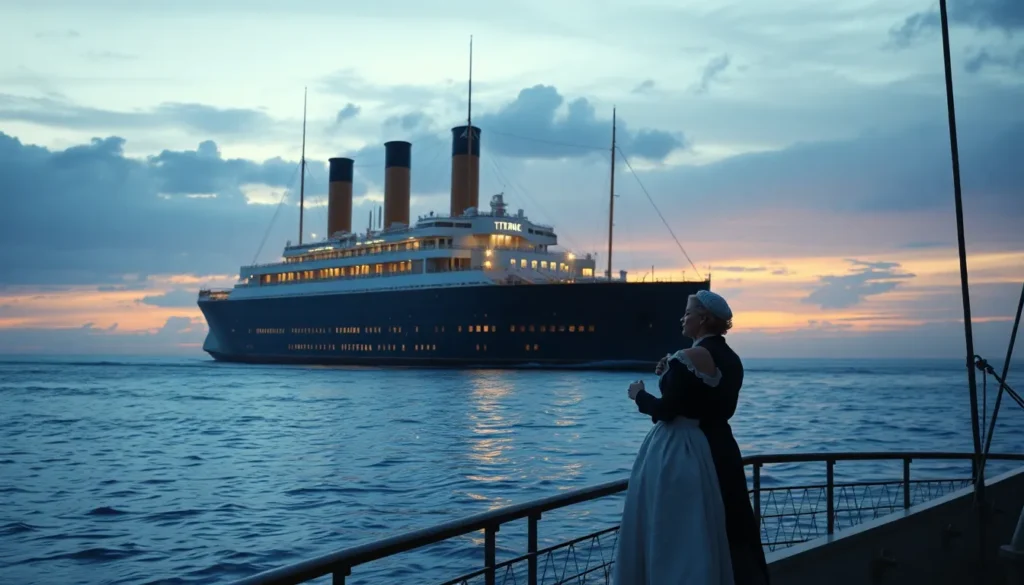
The Titanic movie remains one of the most iconic films in cinematic history. Directed by James Cameron, it captivated audiences with its stunning visuals and emotional storytelling. But when exactly did this epic tale of love and tragedy hit theaters?
Released on December 19, 1997, Titanic quickly became a cultural phenomenon, breaking box office records and winning numerous awards, including 11 Oscars. Its blend of historical events and fictional romance struck a chord with viewers, ensuring its place in film history. As the anniversary of its release approaches, fans and newcomers alike reflect on its impact and legacy in the world of cinema.
Overview of Titanic Movie History
“Titanic” emerged as a groundbreaking cinematic achievement, crafted by director James Cameron. The production began in 1995, with intensive planning and development lasting two years. Filming commenced in July 1996 and wrapped in March 1997. The movie utilized innovative special effects and meticulously designed sets to recreate the ill-fated voyage.
Upon its release on December 19, 1997, “Titanic” quickly captivated audiences worldwide. It generated over $2.2 billion in global box office receipts, securing its position as the highest-grossing film until “Avatar” surpassed it in 2010. The film earned 11 Academy Awards, including Best Picture and Best Director, underscoring its critical acclaim.
The casting of Leonardo DiCaprio and Kate Winslet as the leading characters, Jack Dawson and Rose DeWitt Bukater, played a significant role in the film’s success. Their portrayal of a poignant love story amidst tragedy resonated with viewers, contributing to its iconic status.
The legacy of “Titanic” extends beyond box office numbers. The film spurred renewed interest in maritime history and the events surrounding the Titanic disaster. Its influence continues in popular culture, inspiring numerous parodies, tributes, and documentaries. As the years pass, “Titanic” remains a touchstone in film history, celebrated for its artistry and emotional depth.
Development and Pre-production
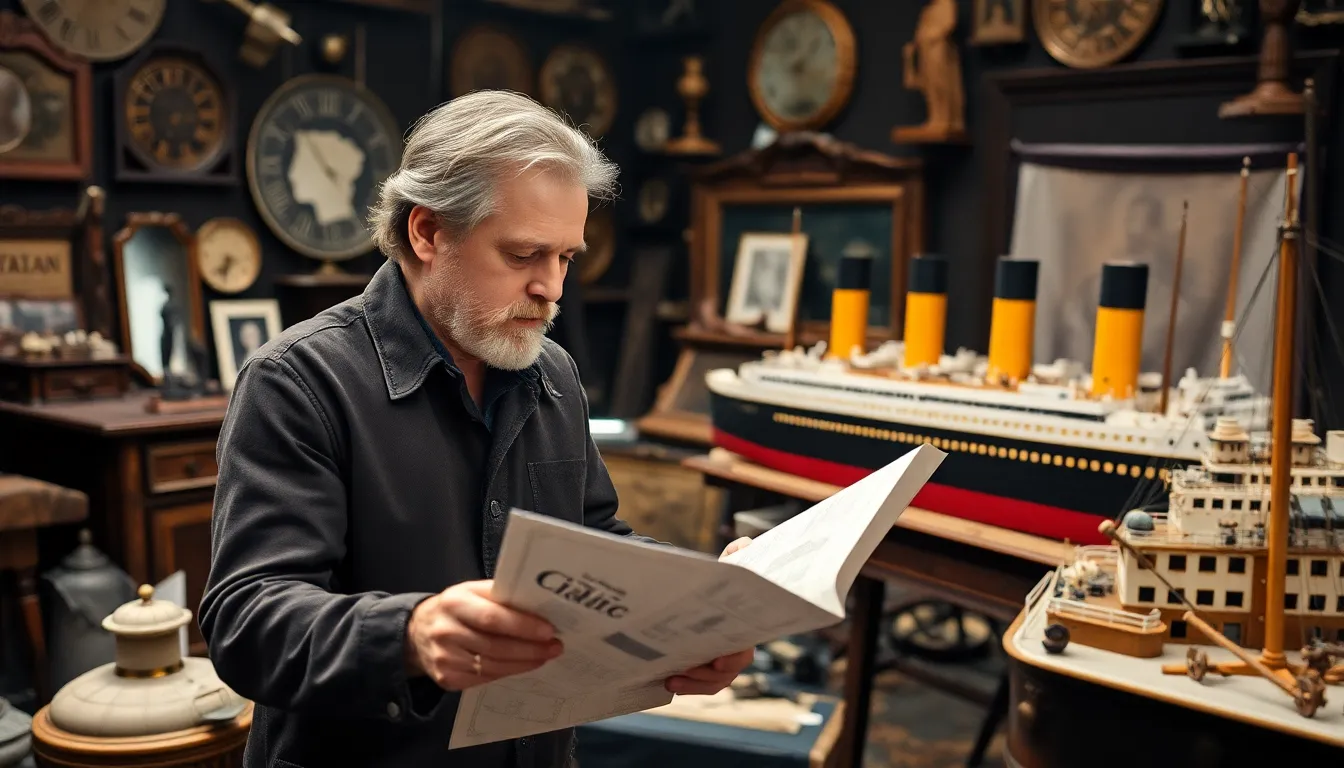
The development and pre-production phase of “Titanic” laid the foundation for its groundbreaking execution. James Cameron, the director and writer, invested significant time in refining the concept before filming began.
Concept and Inspiration
Cameron’s inspiration stemmed from the tragic sinking of the RMS Titanic, an event that captivated global interest. He combined factual historical elements with a fictional love story, allowing audiences to connect emotionally to the tragedy. Extensive research included studying survivor accounts, maritime records, and historical imagery. He sought to recreate the ship’s authentic appearance, down to the finest details, ensuring historical accuracy enhanced the film’s impact.
Screenplay and Casting
The screenplay underwent multiple revisions to balance historical narrative with character development. Completion of the script occurred in 1996, featuring a strong focus on the central romance between Jack Dawson and Rose DeWitt Bukater. Cameron cast Leonardo DiCaprio and Kate Winslet for these iconic roles, recognizing their chemistry and acting prowess. Extensive auditions secured a talented supporting cast that included Billy Zane, Kathy Bates, and Bill Paxton. Their performances added depth to the film’s emotional landscape, elevating the storytelling and viewer engagement.
Production Timeline
The production of “Titanic” spanned several years, marked by key events in its creation. Extensive planning and innovative techniques were instrumental in bringing the film to life.
Filming Locations
- Mexico: Filming took place at Baja Studios in Rosarito, where large water tanks replicated the North Atlantic Ocean.
- California: Additional scenes were shot in various locations across Los Angeles, enhancing the film’s diverse settings.
- Canada: Historical elements were captured in the coastal areas and frozen landscapes, contributing to authenticity.
Key Production Dates
| Date | Event |
|---|---|
| 1995 | Pre-production and planning commenced. |
| 1996 | Principal photography began in Mexico. |
| July 1997 | Filming concluded, with post-production starting immediately. |
| December 19, 1997 | Official release date of “Titanic.” |
Release and Reception
“Titanic” achieved significant success upon its release, leaving a lasting impact on both audiences and critics alike.
Box Office Success
“Titanic” became one of the highest-grossing films of all time. It generated over $2.2 billion globally, holding the title of the highest-grossing film for over a decade. “Titanic” reached remarkable milestones, including earning $600 million in the domestic market alone. The film maintained strong box office performance for months, benefiting from positive word-of-mouth and numerous awards. International ticket sales contributed substantially, leading to record-breaking opening weekends in various countries.
Critical Acclaim
“Titanic” received extensive critical acclaim, winning 11 Academy Awards, including Best Picture and Best Director for James Cameron. Critics praised its groundbreaking visual effects, compelling storytelling, and the performances of Leonardo DiCaprio and Kate Winslet. Review aggregator Rotten Tomatoes lists “Titanic” with a high approval rating, highlighting its status as a cinematic masterpiece. The emotional depth and historical accuracy fostered positive feedback from both film critics and historians. Audiences consistently lauded the film’s blend of romance and tragedy, securing its place in film history.
Legacy of the Titanic Movie
The legacy of “Titanic” extends beyond its record-breaking box office performance. It reshaped filmmaking with its innovative use of special effects and storytelling techniques. Directors and producers draw inspiration from Cameron’s approach, integrating historical events with romantic narratives in contemporary cinema.
“Titanic” also revitalized interest in the RMS Titanic and maritime history. Educational programs and documentaries emerged, driven by public curiosity about the ill-fated voyage. The film’s success sparked an increase in Titanic-themed attractions and exhibits, underscoring its cultural significance.
Moreover, “Titanic” influenced the music industry with its iconic soundtrack, particularly Celine Dion’s “My Heart Will Go On,” which became a global hit. The song received numerous accolades, solidifying its status within popular culture.
Cinematically, “Titanic” set a standard for epic romances, inspiring numerous films to emulate its emotional depth. Parodies and tributes appeared across various media, illustrating its enduring impact on pop culture. The film’s themes of love, loss, and tragedy resonate across generations.
In awards circuits, “Titanic’s” dominance at ceremonies established benchmarks for future films. Its 11 Academy Awards, including Best Picture, highlight its critical acclaim and influence on industry standards. “Titanic” continues to be a reference point in discussions about cinematic excellence and storytelling.
Overall, the multifaceted legacy of “Titanic” continues to influence filmmakers, educators, and audiences worldwide, ensuring its place in cinematic history.
The impact of “Titanic” extends far beyond its initial release in 1997. This film not only captivated audiences with its breathtaking visuals and compelling narrative but also set a new standard in cinematic storytelling. Its legacy continues to inspire filmmakers and enchant viewers around the world. As the years go by the film remains a touchstone in both the romance and historical drama genres.
With its innovative approach to filmmaking and the emotional depth brought by its lead actors “Titanic” will forever be remembered as a monumental achievement in cinema. The film’s influence is evident in the ongoing interest in maritime history and its continued presence in popular culture. “Titanic” is more than just a movie; it’s a cultural phenomenon that resonates with generations.