
Steaming might sound like a fancy spa treatment, but it’s actually one of the simplest ways to boost health and wellness. Imagine transforming your meals into flavor-packed, nutritious delights while giving your skin a glow that could rival a Hollywood star. Who knew that a little hot air could work wonders?
Benefits of Steaming for Health
Steaming offers significant health benefits that extend beyond cooking techniques. This method promotes various improvements in overall well-being.
Improves Respiratory Health
Steaming can alleviate respiratory issues. Warm steam helps to loosen mucus, making it easier to clear airways. Individuals with conditions such as asthma or bronchitis may find relief during episodes of congestion. Regular exposure to steam contributes to increased moisture in the airways, enhancing breathing comfort. According to research, inhaling steam can reduce inflammation in the nasal passages. Usage can also aid those struggling with allergens by soothing irritated nasal tissues.
Supports Skin Health
Steaming benefits skin health significantly. Warm steam opens pores and promotes deep cleansing, removing dirt and excess oil. This natural process can reduce acne and prevent breakouts. Blood circulation improves during steaming, supplying skin with essential nutrients and oxygen. Enhanced hydration occurs as heat infuses moisture into the skin, creating a more radiant appearance. Studies show that regular steam sessions can promote collagen production, leading to firmer skin.
Benefits of Steaming in Cooking
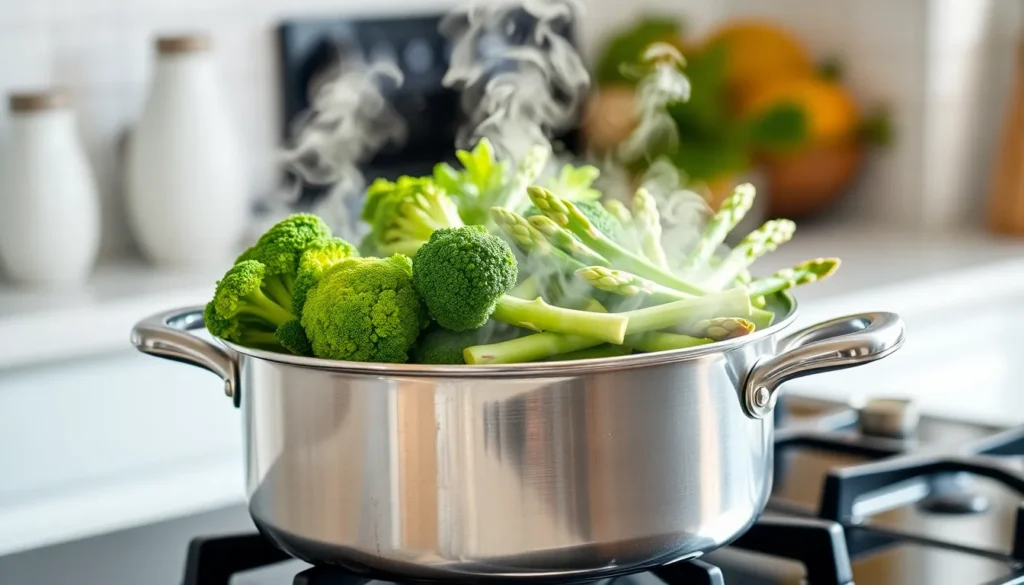

Steaming provides multiple advantages in cooking, particularly in retaining nutrients and improving dish quality. This method not only enhances health benefits but also elevates meal enjoyment.
Enhances Nutritional Value
Steaming effectively preserves the nutritional content of vegetables and proteins. Nutrients like vitamins A, C, and certain B vitamins remain intact, as steaming minimizes the leaching that often occurs with boiling. For example, broccoli retains approximately 90% of its vitamin C when steamed, compared to just 50% when boiled. This cooking method also reduces the need for added fats or oils, making it a healthier option overall. Many health-conscious individuals choose steaming to maximize the nutritional value of their meals without sacrificing taste.
Preserves Flavor and Texture
Steaming maintains the natural flavors and textures of ingredients. Foods achieve a tender yet crisp quality, which enhances the overall dining experience. Vegetables like carrots and asparagus keep their vibrant colors and appealing crunch when steamed. Additionally, steaming can intensify flavors without relying on excessive seasoning, allowing the natural taste of each ingredient to shine through. This method also works well for seafood and poultry, keeping them moist while avoiding overcooking. Chefs appreciate how steaming not only preserves but also highlights the essence of ingredients.
Benefits of Steaming for Relaxation
Steaming provides numerous relaxation benefits, making it a popular choice for wellness enthusiasts.
Reduces Stress
Steaming effectively alleviates stress through its calming effects. The warm, moist environment promotes relaxation and aids in reducing muscle tension. Deep breathing during steaming sessions enhances this effect, allowing individuals to release built-up stress. Studies indicate that the soothing process can lower cortisol levels, the body’s primary stress hormone. Steam’s gentle warmth creates a comforting environment, facilitating a sense of tranquility. Many find themselves feeling more centered and relaxed after a short steaming session, providing an easy way to unwind.
Promotes Better Sleep
Steaming contributes to improved sleep quality. Encouraging relaxation helps prepare the body for restful sleep. The warmth from steam promotes body temperature regulation, making it easier to fall asleep. Individuals often experience reduced restlessness and enhanced comfort, leading to longer sleep durations. Research shows steam inhalation can ease breathing issues, further supporting uninterrupted sleep cycles. Incorporating steaming into an evening routine facilitates a smoother transition into sleep, ensuring a more restful night.
Environmental Benefits of Steaming
Steaming presents notable environmental benefits that enhance sustainability.
Energy Efficiency
Steaming is an energy-efficient cooking method. It requires less heat and shorter cooking times compared to boiling or frying. This efficiency results in lower energy consumption, making it a more sustainable option for meal preparation. Research indicates that steaming can save up to 30% more energy than other cooking techniques. With less heat escaping into the environment, it contributes to reduced overall energy waste. Individuals looking to minimize their carbon footprints should consider incorporating steaming into their cooking routines.
Reduced Water Waste
Steaming significantly reduces water consumption. Unlike boiling, which can use large amounts of water for cooking, steaming often requires only a small amount for the steam process. This method preserves the nutritional quality of food while conserving precious fresh water resources. Studies show that steaming vegetables can require up to 50% less water than boiling them. Furthermore, less water waste contributes positively to the environment by protecting aquatic ecosystems from over-extraction and pollution. Transitioning to steaming can help households contribute to sustainable water management efforts.