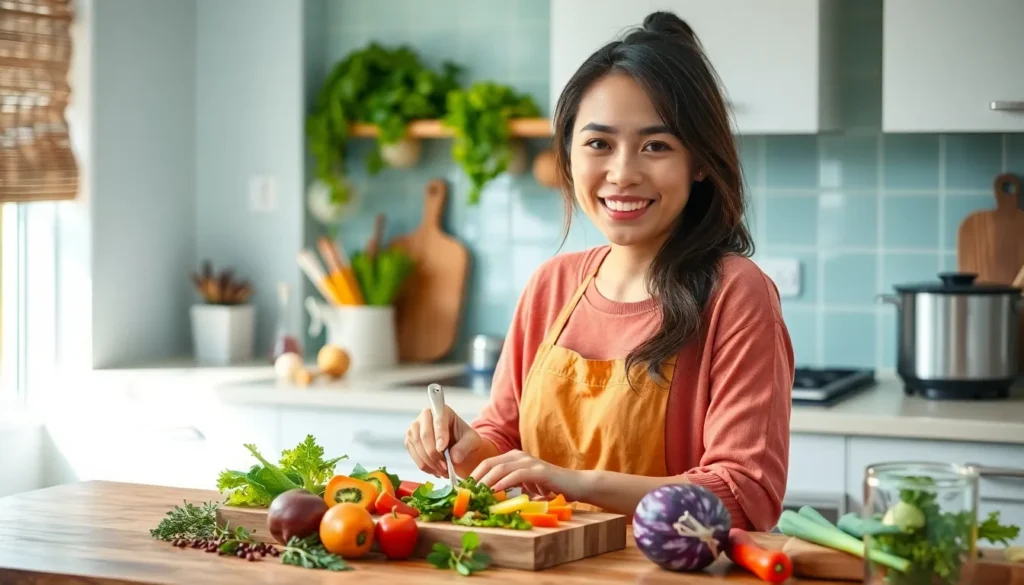
In a world where fast food reigns supreme and kale chips are considered a delicacy, healthy cooking techniques can feel like a secret society. But fear not! With a sprinkle of creativity and a dash of humor, anyone can whip up meals that are both nutritious and delicious. Forget the notion that healthy eating means bland salads and sad steamed veggies.
Overview of Healthy Cooking Techniques
Healthy cooking techniques emphasize methods that preserve nutrients and enhance flavors without relying on excessive fats or sugars. Steaming vegetables retains vitamins and minerals effectively while maintaining vibrant colors. Grilling brings out natural tastes in foods, allowing the user to enjoy meats and vegetables with minimal added oil.
Sautéing uses a small amount of healthy oil, like olive oil, to cook ingredients quickly while keeping them tender and flavorful. Roasting concentrates flavors by caramelizing the natural sugars in foods, making it ideal for root vegetables and proteins. Baking offers a low-fat alternative to frying, ideal for preparing casseroles and fish.
Incorporating herbs and spices into dishes boosts flavor without added calories. Using them creatively can transform simple ingredients into exciting meals. This approach highlights the importance of selecting fresh, seasonal produce to maximize flavor and nutrition.
Blanching, a technique where vegetables briefly boil and then are quickly cooled, preserves color and crunch, ensuring appealing textures in dishes. Slow cooking allows flavors to develop deeply, increasing satisfaction in hearty stews and soups.
Prioritizing these techniques enables anyone to create flavorful meals without compromising health. Embracing various cooking methods leads to diverse culinary experiences, showcasing that nutritious options are neither boring nor bland. Exploring these techniques removes the barriers to healthy cooking, allowing creativity in the kitchen.
Benefits of Healthy Cooking Techniques
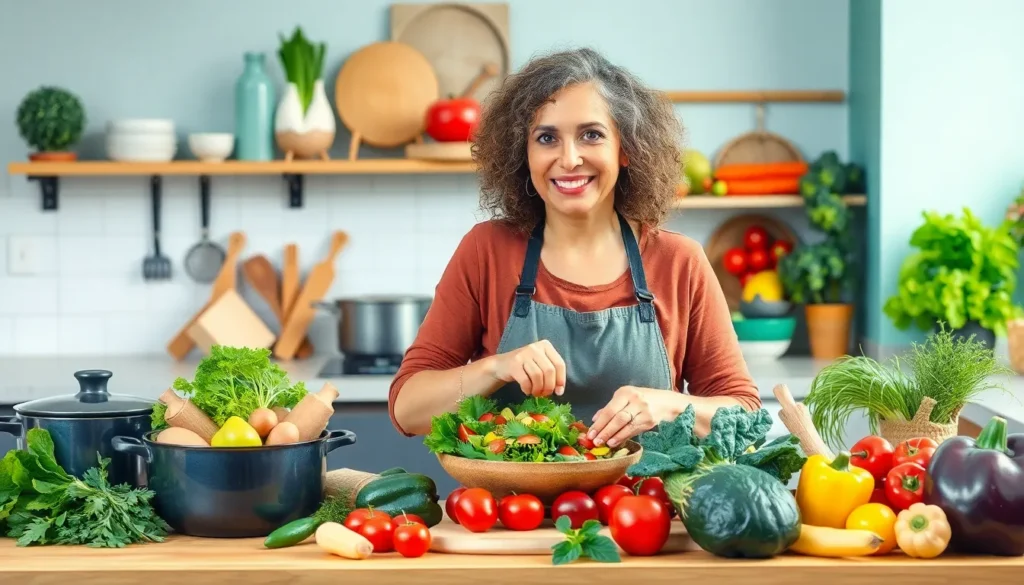
Healthy cooking techniques promote nutritious eating by preserving essential vitamins and minerals. These methods not only support overall health but also enhance culinary enjoyment. Utilizing techniques like steaming and roasting helps retain the nutrients in vegetables, making meals more beneficial.
Improved Nutrition
Using healthy cooking methods such as steaming, blanching, and grilling promotes maximum nutrient retention in foods. These techniques minimize the loss of vital vitamins during preparation and cooking. Fresh fruits and vegetables contain higher levels of antioxidants when prepared healthily. Cooking with minimal added fats also supports heart health. It’s essential to choose fresh, seasonal ingredients, which further boosts nutritional content. Incorporating whole grains and lean proteins through these techniques encourages balanced meals.
Enhanced Flavor
Healthy cooking methods elevate the natural flavors of ingredients without added fats or sugars. Techniques like grilling and roasting caramelize foods, creating rich tastes that appeal to the palate. Additionally, herbs and spices can amplify flavor without calorie addition. Emphasizing these flavor-enhancing methods allows for satisfying meals. Experimenting with combinations of herbs and spices brings vibrancy to dished. Utilizing fresh, seasonal ingredients enhances flavors while providing a nutritious boost. These approaches make healthy cooking an exciting culinary experience.
Common Healthy Cooking Techniques
Healthy cooking techniques emphasize flavor and nutrition without unnecessary calories. Several methods help maintain food’s natural taste and enhance its appeal.
Steaming
Steaming preserves nutrients effectively. This technique uses water vapor, allowing vegetables and fish to cook gentle. Essential vitamins remain intact, especially in bright-colored produce like broccoli and carrots. The process also enhances texture, keeping food tender yet slightly crisp. Many chefs recommend seasoning steamed items with herbs to elevate flavors without added fats.
Grilling
Grilling creates delicious, smoky flavors while using minimal oil. The method employs high heat, allowing fat to drip away from meats and vegetables. Grilled foods, such as chicken or zucchini, develop appealing char marks and retain their moisture. Utilizing marinades or spice rubs also enhances taste without excessive calories. Additionally, grilling can produce a variety of dishes that satisfy diverse palates.
Sautéing
Sautéing cooks food quickly in a small amount of oil over medium to high heat. This technique preserves the texture and flavor of ingredients, making it ideal for vegetables. Adding garlic or onions can infuse additional taste, enhancing the overall dish without extra calories. Choosing heart-healthy oils, like olive oil, ensures a nutritious meal while maintaining exciting flavors. Quick sautéing also helps retain color, making dishes visually appealing.
Tips for Incorporating Healthy Cooking Techniques
Incorporating healthy cooking techniques into daily routines enhances both flavor and nutrition. Adopting a few simple strategies makes the process easier and more enjoyable.
Meal Planning
Efficient meal planning streamlines healthy cooking. Start by selecting a variety of meals for the week to ensure a balance of nutrients. Creating a grocery list based on planned meals reduces food waste and maximizes the use of fresh ingredients. Consider batch cooking meals, as this saves time and promotes healthy eating during busy days. Including versatile recipes in meal plans can prevent monotony while allowing for adjustments based on seasonal produce availability.
Ingredient Selection
Choosing the right ingredients is crucial for healthy cooking. Prioritize fresh, seasonal fruits and vegetables to maximize flavor and nutrient content. Opt for whole grains over refined options to increase fiber intake. Incorporate lean proteins like chicken, fish, or legumes for balanced meals. Selecting healthy fats, such as those from nuts and avocados, supports heart health and enhances flavors. Avoid processed ingredients, which often contain added sugars and unhealthy fats, and instead focus on whole, minimally processed foods for the best nutritional value.
Healthy cooking techniques offer a pathway to delicious and nutritious meals that fit seamlessly into any lifestyle. By embracing methods like steaming, grilling, and sautéing, individuals can create flavorful dishes without compromising on health. The use of fresh, seasonal ingredients enhances both taste and nutrition, making every meal an opportunity for culinary exploration.
Incorporating these techniques into daily routines not only promotes better eating habits but also fosters creativity in the kitchen. With the right approach, anyone can transform their cooking experience into one that’s both enjoyable and beneficial for overall well-being. By prioritizing health without sacrificing flavor, the journey toward nutritious eating becomes an exciting adventure.