Indian cooking isn’t just about throwing spices into a pot and hoping for the best. It’s a delightful dance of flavors and techniques that can turn a simple meal into a culinary masterpiece. From the sizzling sound of tempering spices to the art of slow-cooking curries, each method brings its own magic to the table.
Overview of Indian Cooking Techniques
Indian cooking encompasses a variety of unique techniques that enhance flavors and textures. These methods include tempering, sautéing, steaming, and slow-cooking. Each technique serves a distinct purpose in achieving the signature tastes associated with Indian cuisine.
Tempering, or “tadka,” involves frying whole spices in hot oil. This process releases essential oils and intensifies the aroma, enriching the overall dish. Sautéing quickly cooks chopped vegetables or meats in oil, allowing them to develop a rich color while retaining their natural flavors.
Steaming remains a popular method for preparing foods like idli, a traditional rice cake. This technique maintains nutrients and produces light, fluffy textures. Slow-cooking, often seen in curries, allows complex flavors to develop fully over time, creating deeply satisfying meals.
Grilling also plays a key role in Indian cooking. Techniques such as tandoori cooking involve marinating meats in spiced yogurt before cooking them in a clay oven. Such methods impart a distinctive smoky flavor that enhances the dish.
Moreover, Indian cooking utilizes deep-frying for many snacks and appetizers, achieving crispy textures. Popular items include samosas and pakoras, often served with chutneys.
Understanding these techniques highlights the skills and patience required in Indian cuisine. Mastering them transforms simple ingredients into flavorful dishes that reflect the richness of India’s culinary heritage.
Essential Ingredients in Indian Cooking
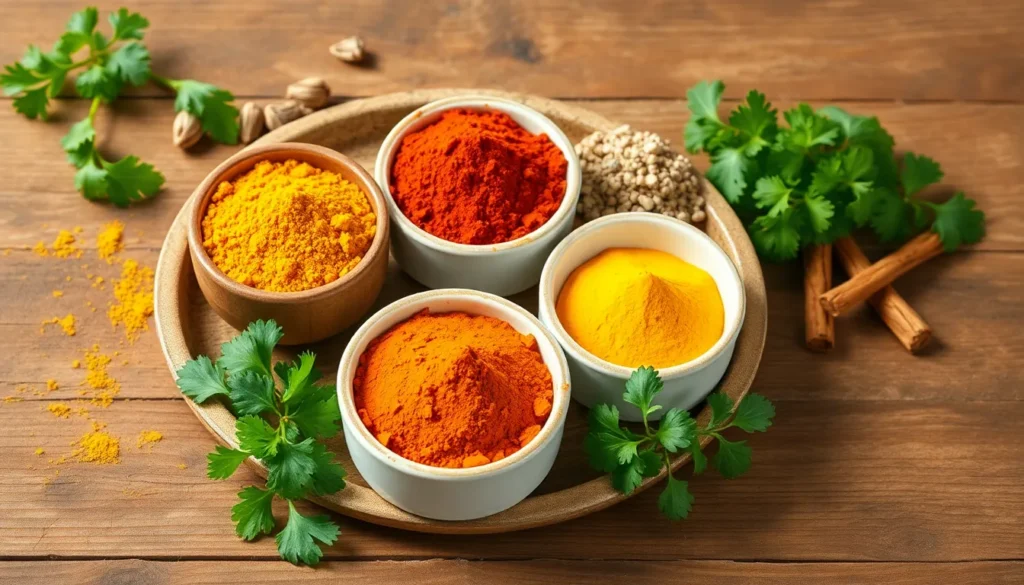
Indian cooking relies on specific ingredients that create its signature flavors. Understanding these essentials enables the preparation of authentic dishes.
Spices and Herbs
Spices and herbs serve as the backbone of Indian cuisine. Cumin, coriander, turmeric, and cardamom are commonly used in various dishes. Each spice brings distinct flavors; for instance, cumin adds warmth, while turmeric offers earthiness. Fresh herbs like cilantro and mint contribute freshness to meals. Dried spices, such as dried red chilies, provide heat, elevating the overall taste profile. Blending spices in different ratios creates unique flavor combinations, allowing dishes to shine individually. The art of using spices reflects a deep culinary tradition, showcasing knowledge passed through generations.
Oils and Fats
Oils and fats play a key role in Indian cooking, enhancing taste and texture. Ghee, or clarified butter, is prized for its rich flavor and high smoke point. Regularly, vegetable oils, such as canola and sunflower, are used for sautéing and frying. Coconut oil is popular in coastal regions, imparting a distinct taste to curries and rice dishes. Ultimately, the choice of oil influences the final result, affecting both health benefits and flavor. The careful selection of fats complements the spices, culminating in well-balanced and delicious meals.
Traditional Cooking Methods
Indian cooking incorporates various traditional techniques that enhance flavors and textures, creating vibrant dishes that showcase the country’s culinary heritage.
Tandoor Cooking
Tandoor cooking involves a clay oven that reaches high temperatures, producing unique flavours. This method is particularly popular for cooking marinated meats, breads, and vegetables. The intense heat allows for even cooking while imparting a smoky taste, making tandoori chicken a classic example. Using this technique, cooks can achieve a crispy exterior while retaining moisture inside, elevating the overall dish. The tandoor’s design ensures that foods retain their juices and infuse with spices, ultimately enriching the taste.
Dum Cooking
Dum cooking is a method that revolves around slow-cooking sealed pots, known as “dum.” A tight lid traps steam, allowing dishes to cook in their own juices while slowly developing complex flavors. Rice and meat dishes benefit greatly from this technique, as spices meld beautifully during the cooking process. Popular dishes such as biryani employ this technique, ensuring that every grain of rice absorbs flavors from the meat and spices. This method showcases patience in preparation, resulting in delicious, aromatic meals.
Bhuna and Sauté
Bhuna and sauté techniques focus on cooking ingredients quickly over high heat to develop rich flavors. In bhuna, spices and components are cooked until their essential oils release, creating a flavor base. This method enhances the depth of curries and stews, leading to a well-rounded dish. On the other hand, sauté typically involves cooking vegetables or proteins until tender, often with a drizzle of oil for added richness. Through these techniques, Indian cuisine celebrates the balance of spices and textures, creating harmonious dishes.
Regional Cooking Techniques
Indian cuisine showcases a diverse array of regional cooking techniques, each contributing unique flavors and methods to the culinary landscape. Understanding these techniques highlights the geographical and cultural richness across India.
North Indian Techniques
North Indian cooking emphasizes robust flavors and hearty textures. Tandoor cooking remains a hallmark, creating dishes like naan and tandoori chicken with a signature smoky taste. Simmering in rich gravies, dishes such as butter chicken and paneer makhani gain depth through slow cooking. Additionally, techniques like bhuna enhance flavors by frying spices and ingredients over high heat, resulting in aromatic curries. These methods reflect the regions’ diverse agricultural produce and rich culinary history.
South Indian Techniques
South Indian cooking embodies a distinct profile focused on rice and lentils. Techniques such as steaming play a crucial role, showcased in dishes like idli and dosa that highlight fermented batter. Tempering spices in oil enhances flavors, often seen in sambar and rasam, where spices release essential oils. Coconut usage is prevalent, adding creaminess and depth to curries. Together, these methods showcase the region’s preference for fresh ingredients and balanced flavors.
Eastern and Western Techniques
Eastern and Western Indian cooking highlights varying regional influences and ingredients. In the East, mustard oil frying creates unique flavors, particularly in Bengali fish preparations like shorshe ilish. Meanwhile, the West showcases a penchant for dry roasting spices, evident in dishes like dal baati and gujarati thepla. Steaming also finds a place in western cuisine with dhokla, showcasing the region’s innovation with gram flour. Each technique reflects local traditions and flavors, resulting in distinctive dishes that resonate with cultural heritage.
Indian cooking techniques offer a fascinating glimpse into a rich culinary tradition that emphasizes skill and artistry. Mastering these methods allows cooks to elevate simple ingredients into extraordinary dishes. The careful balance of spices and the use of diverse cooking methods reflect the cultural heritage and regional diversity of India.
As one explores the various techniques from tempering to slow-cooking, it’s clear that patience and practice are essential. Embracing these methods not only enhances flavor but also deepens the appreciation for the art of Indian cuisine. Each dish tells a story that connects people to the land and its rich culinary history.