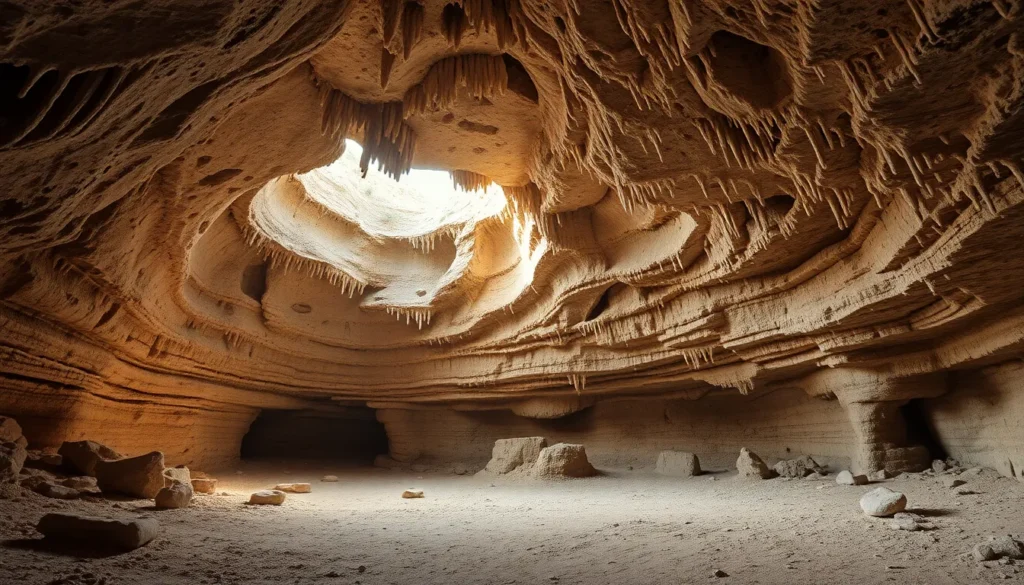
Nestled in the heart of Greece, the Theopetra Cave holds a remarkable secret that rewrites the history of human habitation. This ancient site, dating back over 130,000 years, is often hailed as the oldest known human-made structure. Its discovery has captivated archaeologists and historians alike, offering a glimpse into the lives of early humans and their ingenuity.
The cave’s significance extends beyond its age; it reveals crucial insights into the evolution of human culture and technology. From evidence of early tool-making to signs of habitation, Theopetra is a treasure trove of information that sheds light on our ancestors’ adaptive strategies in a changing environment. As exploration continues, the cave promises to unveil even more about the dawn of human civilization.
Overview of Theopetra Cave
Theopetra Cave, located in Thessaly, Greece, stands as a remarkable archaeological site. Archaeologists have identified it as the oldest known human-made structure, with origins dating back over 130,000 years. Its significance lies in the evidence it provides for continuous human occupation, showcasing early adaptive strategies.
Excavations reveal an array of artifacts, including stone tools and remnants of habitation, which reflect advanced tool-making techniques. The stratified layers within the cave offer insight into varying periods of human activity, allowing researchers to trace cultural and technological developments over millennia.
The cave’s unique geological features also contribute to its preservation of these artifacts. Its stable environment has protected ancient remains, providing a rare glimpse into the lives of early humans. Ongoing studies focus on analyzing these findings to enhance understanding of early human behavior, social organization, and subsistence practices.
Overall, Theopetra Cave continues to be a vital source of knowledge about the dawn of human civilization, revealing the complexity of early human life.
Historical Significance
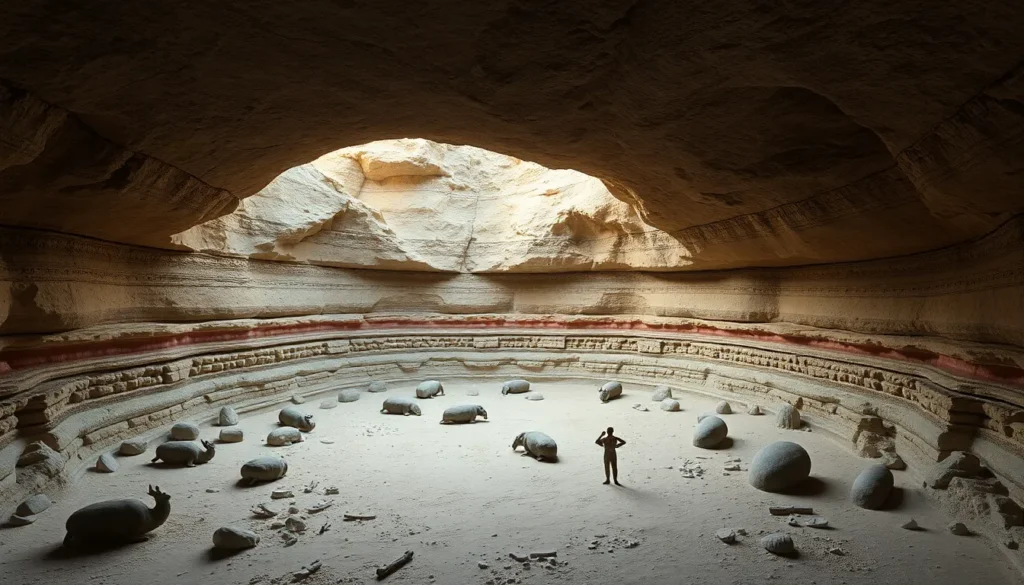
Theopetra Cave holds immense historical significance as the oldest known human-made structure, offering critical insights into early human life and culture. Archaeological discoveries at the site reveal a wealth of information about our ancestors’ adaptive strategies and technological advancements.
Archaeological Findings
Archaeological investigations in Theopetra Cave have unearthed numerous artifacts. These include stone tools, animal remains, and evidence of fire use. Artifacts date back over 130,000 years, indicating a long duration of human habitation. Stratified layers within the cave showcase different phases of occupation, reflecting changes in tool-making techniques and dietary practices. Specific finds such as grinding stones and projectile points indicate advanced hunting and gathering strategies. The cave’s preservation of organic materials allows researchers to analyze environmental conditions and subsistence patterns that shaped early human societies.
Impact on Understanding Human History
Theopetra Cave significantly reshapes understanding of human history by providing evidence of early cognitive and social development. Research shows that the inhabitants exhibited complex behaviors, including social organization and the creation of specialized tools. The findings challenge previous conceptions of human evolution, illustrating that advanced tool use and cultural practices occurred earlier than previously assumed. By establishing a timeline of habitation, Theopetra Cave contributes to a broader understanding of human migration and adaptation throughout prehistoric Europe. Ongoing studies are likely to yield further insights into the origins of cultural evolution and human resilience.
Theopetra Cave Structure
Theopetra Cave stands as a remarkable testament to early human ingenuity. Its intricate structure and geological features reveal significant details about prehistoric life.
Description of the Cave
Theopetra Cave, located in Thessaly, Greece, features extensive chambers and a vaulted ceiling reaching heights of up to 20 meters. The entrance, sheltered by towering cliffs, provides natural protection against the elements. Stalactites and stalagmites adorn the interior, formed over millennia. The cave’s stratified layers showcase a timeline of human activity and environmental changes, revealing interactions between early humans and their surroundings. Artifacts found within the cave, such as tools and remains of food, indicate it served as both a dwelling and a site for social gatherings.
Age and Dating Techniques
Theopetra Cave is one of the oldest known human-made structures, dating back more than 130,000 years, according to radiometric dating analyses. Researchers employ techniques such as optically stimulated luminescence (OSL) and radiocarbon dating to establish accurate timelines of human occupation. OSL dating measures the last time sediment grains were exposed to light, while radiocarbon dating assesses organic materials. These methods confirm continuous habitation throughout various prehistoric periods, establishing the cave as a crucial site for understanding human evolution and cultural development.
Cultural Implications
Theopetra Cave’s archaeological findings offer profound insights into early human life and influence modern archaeological practices.
Evidence of Early Human Life
Evidence within Theopetra Cave confirms the presence of human activity dating back over 130,000 years. Discoveries of stone tools, such as hand axes and blades, demonstrate advanced craftsmanship, indicating high-level cognitive abilities. Analysis of animal remains reveals dietary habits, indicating a hunting and gathering lifestyle. The continuous habitation of the cave, as shown by its stratified layers, illustrates changes in human adaptation strategies over millennia. These findings provide a window into social structures and cultural practices of early human groups, highlighting their interaction with the environment and each other.
Influence on Modern Archaeology
Theopetra Cave significantly influences contemporary archaeological methodologies and theories. Its age and well-preserved artifacts challenge existing timelines of human development, prompting researchers to reevaluate the timeline of early human behaviors. The use of advanced dating techniques, such as optically stimulated luminescence and radiocarbon dating, sets a precedent for other archaeological sites. Researchers increasingly apply these methods to gain more accurate representations of human history. The cave serves as a model for comparative studies, revealing how environmental factors shape human adaptation and cultural evolution. Its findings continue to inspire a deeper understanding of human resilience and innovation throughout history.
Preservation Efforts
The preservation of Theopetra Cave is crucial for maintaining its archaeological significance. Various challenges arise in conserving this ancient site, but solutions have been implemented to protect its integrity.
Challenges and Solutions
Challenges include environmental factors, tourism pressures, and structural deterioration. Natural erosion from weather conditions threatens the cave’s delicate formations, while increased tourist activity risks damaging fragile artifacts. Additionally, the cave’s remote location complicates access for maintenance and research.
Solutions involve implementing strict guidelines for visitor access. Limiting the number of tourists helps reduce wear on the site. Conducting regular assessments ensures that any signs of deterioration receive prompt attention. Collaboration with conservation specialists allows for the development of targeted strategies, such as climate-controlled environments, to foster preservation. Utilizing advanced monitoring technology helps track changes in the cave’s structure, enabling proactive measures to protect this invaluable human heritage site.
Theopetra Cave stands as a testament to humanity’s enduring legacy. Its status as the oldest known human-made structure offers invaluable insights into early human life and culture. The artifacts and evidence of habitation found within its depths challenge previous assumptions about human development and adaptation.
Preserving this remarkable site is crucial for future generations. As researchers continue to explore and analyze Theopetra, they unlock new understanding of our ancestors’ cognitive abilities and social structures. The ongoing efforts to protect the cave from environmental and tourism-related threats ensure that this vital piece of human history remains intact. Theopetra Cave not only enriches our knowledge of the past but also inspires a deeper appreciation for the resilience and innovation of early humans.